BUILD AND MARKET YOUR SHOPIFY STORE
We help e-commerce brands maximise growth opportunities
We help e-commerce brands maximise growth opportunities


Changing platform is one of the biggest projects an ecommerce business takes on. Done well, every product, customer and order comes with you and your search traffic carries on. Done badly, rankings fall, old links lead to error pages and customers cannot find what they bought before.
We are a UK Shopify agency based in Brighton, and we plan, build and launch migrations from Magento, WooCommerce, Wix, Squarespace, BigCommerce and other platforms. Every project starts with a free review of your current store and a written migration plan, so you know what moves, what changes and what it costs before any work begins.
Planning the move yourself? Start with our Shopify migration checklist.





We start with a review of your current store: every product type, customer record, integration, page and address that needs to move. From that we write your migration plan and quote, so you know the scope, the cost and the timeline before work begins.
We then build your new Shopify store alongside the old one, which keeps taking orders as normal. Your data moves across, we map every redirect, build the theme and reconnect your apps, then test everything on a password protected preview before any customer sees it.
On launch day we connect your domain, switch on the redirects, submit your new sitemap to Google Search Console and run a final round of checks. A last data sync brings across any orders and customers added during the build.
Why Matters is a Shopify Select partner with Verified Skills across development and marketing, so the same team can look after your SEO, email and ads once you are live.
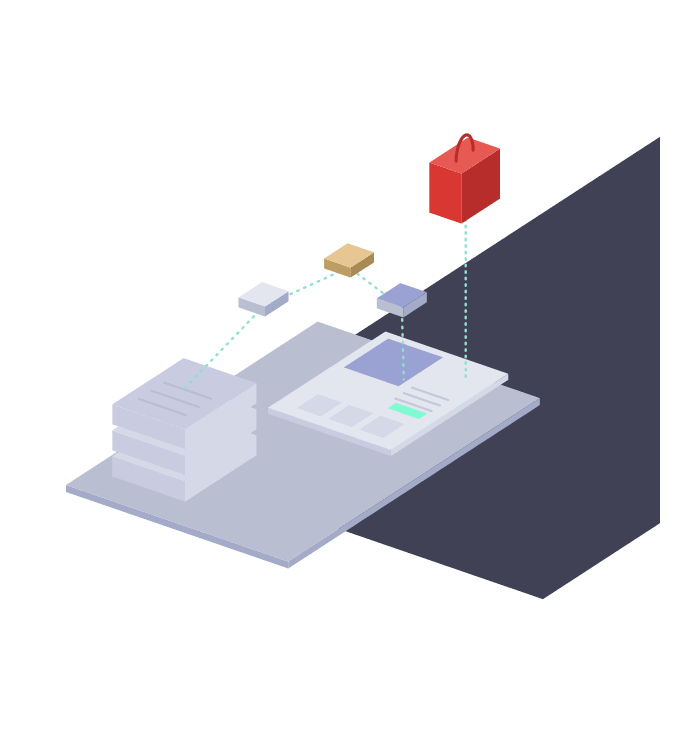
Your catalogue moves first: products, variants, prices, stock levels, images, SKUs, barcodes and descriptions, with categories rebuilt as Shopify collections. Extra product details such as ingredients, sizing or specifications move into metafields, so your theme can display them.
Customers follow, with their addresses, tags and marketing consent. Order history takes more care, because Shopify cannot import orders from a spreadsheet, so we move it with a specialist migration app or Shopify's API and link each order to its customer.
Passwords cannot move between platforms, but new Shopify stores use passwordless customer accounts. Customers sign in with a one time code sent to their email address, so nobody has to reset a password after the move.
Before launch we check product, customer and order counts, and a sample of records, against your old store, so nothing goes missing.
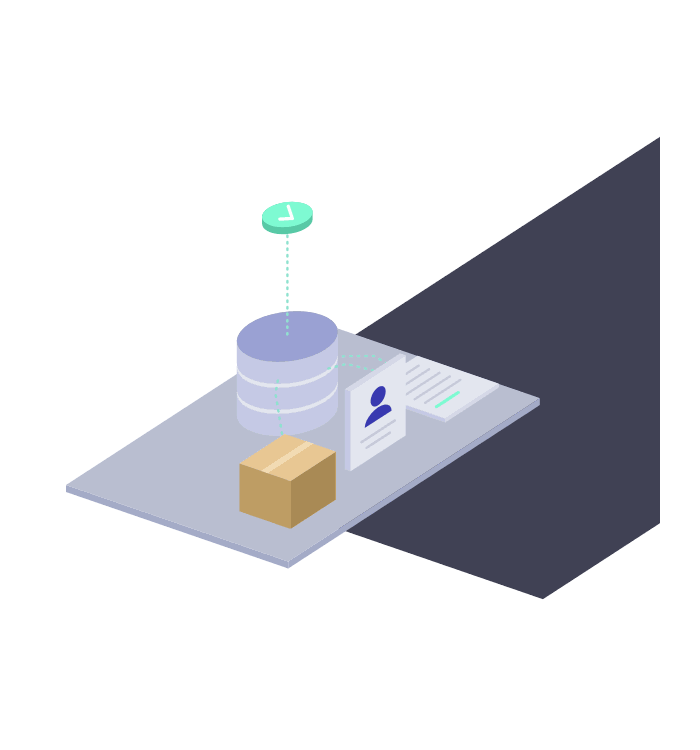
We list every tool your current store relies on, from reviews and subscriptions to shipping, stock, accounting and email, then match each one to a Shopify app, an integration or a feature Shopify already includes. Fewer apps usually means a faster, simpler store.
Payments are set up and tested with Shopify Payments or your current provider. Email platforms such as Klaviyo are reconnected, and as a Klaviyo Partner we check that sign up forms, flows and customer data keep working after the move.
Active subscriptions get their own plan, so subscribers keep receiving their orders without interruption. Our guides to the best Shopify apps and Shopify payment gateways compare the options.